
Meet The Team & Partners
Research Team
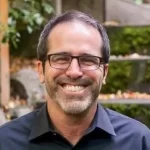
Dr. Dominic Corva
Principal Investigator
Assistant Professor of Sociology at California State Polytechnic University, Humboldt
Bio
Dominic is an Assistant Professor of Sociology and Cannabis Studies Program Lead at Cal Poly Humboldt University. His research interests include regulatory effects of policing illicit drugs; history and geography of cannabis prohibition and legalization; political economy of cannabis markets; cultural geography of cannabis in California; and ethnographies of cannabis criminalization as it pertains to Local Equity Programs in California.
Genine Coleman
Co-Principal Investigator
Executive Director of Origins Council
Bio
Genine is the Founder and Executive Director of Origins Council, a California nonprofit advocacy, education and research organization dedicated to sustainable rural economic development for rural cannabis producing regions. OC is partnered with 6 regional trade associations based in rural legacy producing regions, and represents the collective 900 members of these regional partner associations in OC’s programmatic activity. Her research interests are focused on community-based participatory research and appellations research. She is currently collaborating with university researchers in California to study the economic impact of cannabis legalization on the North Coast.
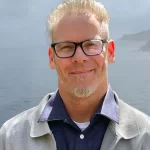
Dr. Todd Holmes
Co-Principal Investigator
Historian with the Oral History Center, University of California, Berkeley
Bio
Todd is a Historian and Academic Specialist with the Oral History Center of The Bancroft Library at UC Berkeley. A specialist in California and the American West, his work focuses on the history of politics, business, and agriculture in the region. At the Oral History Center, he serves as the managing academic specialist of the UC Berkeley / OHC 420 Archive, a collaborative project focused on documenting and preserving the history of California Cannabis.
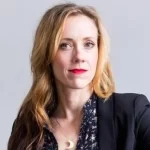
Dr. Eleanor Kuntz
Co-Principal Investigator
Co-founder and ceo or leafworks, co-founder of canndor
Bio
Eleanor is the Co-founder and CEO of LeafWorks, a botanical genetics company focusing on plant identification and building DNA based diagnostic and verification tools for the emerging cannabis and medicinal plant industries. A classically trained botanist that has worked extensively in medicinal plants and specialty crops, her work has focused on the impacts and importance of population diversity and gene flow in agricultural systems, and how agricultural best practices affect medicinal plant quality and market value. She has a long connection to the cannabis community. In 2015, she co-founded Canndor, the Peoples Herbarium – the world’s first cannabis herbarium – to document diversity and protect the plant stewards that breed and maintain those plant collections under prohibition.
Dr. Marj Plumb
CBPR Advisor
CEO Plumbline Coaching and COnsultimg, Inc.
Bio
Marj brings over forty-five years of dedicated service to the forefront of social justice movements in the United States as an experienced non-profit executive director, consultant, leadership coach, and trainer. Marj’s extensive expertise spans a range of domains, including public policy advocacy training, Community-Based Participatory Research (CBPR), and organizational and leadership development. Through her company, Plumbline Coaching and Consulting, Inc., Marj is dedicated to fostering collaboration among nonprofit leaders, health professionals, and researchers to shape impactful research that informs public policy change. This dedication is exemplified by initiatives like Reach the Decision Makers, aimed at influencing the US Environmental Protection Agency. Additionally, Marj has developed CBPR training programs for various funding agencies and their grantees and facilitated the CBPR collaboration of participants in the Child Health and Development Studies, the oldest and largest multigenerational cohort study. Over the past twenty years, she has coached and mediated disagreements in numerous CBPR projects, underscoring her commitment to effective and cooperative research practices.
Khalil Ferguson
President and CEO of United CORE Alliance
Bio
Khalil is an accomplished strategist, advocate, and community organizer. He brings a racial equity lens to his leadership as well as a passion to implement racial equity in his organizations, network, and community. Khalil has assisted small for-profit and non-profit businesses with their business plans, structure, financials, and identifying funding opportunities. Khalil’s focus on strategies for combating gentrification and supporting inclusive economic development programs has resulted in appointments to committees, speaking engagements, and numerous awards. Currently, Khalil is the President of the United CORE Alliance (UCA), a non-profit organization in Sacramento, CA that restores the rights of formerly incarcerated individuals through the records expungement process in partnership with the Governor’s Office of Business and Economic Development and the City of Sacramento.
Hannah L. Nelson, Esq.
Attorney, Origins Council Research, Education and Development Program Advisor
Bio
Hannah is an attorney who has worked on behalf of legacy cultivators adversely impacted by the War on Drugs for more than three decades. In her work, she has helped document those impacts for equity grants, directly assisted cultivators with their transition to and through licensing, and now brings her history, knowledge, and compassion to this Legacy Genetics Project. In addition to regularly analyzing and commenting on state and local regulations, she has regularly prepared and presented community and professional education materials and workshops. Hannah’s deep history in cannabis law, originally as a criminal defense and civil rights attorney, and currently as a business, land use, and compliance attorney, is complimented by her extensive experience in the development, implementation and oversight of local, state, and federal grants.
Sam De La Paz
Origins Council Communications & Community Engagement Advisor
Bio
Sam is a business and nonprofit advisor and consultant. He has background and expertise in organizational design, fundraising, communications, marketing, technology, public policy, and community relations. Increasingly active in policy, advocacy, and community organizing, Sam currently sits on various business & nonprofit boards and advises several others. He serves as the Communications and Fundraising Manger for Origins Council’s Government Affairs Program, and represented Sonoma County for three years on the organization’s Regional Council.
Ross Gordon
Origins Council Research and Policy Analyst
Bio
Ross is Policy Director with Humboldt County Growers Alliance (HCGA) and Policy Chair with Origins Council (OC). In these roles, Ross works to help direct HCGA and OC’s policy advocacy at the local, state, and federal level. Following the passage of Proposition 64, Ross worked as policy staff for California Growers Association, a statewide trade association primarily representing the interests of small, independent, and legacy cannabis farmers in rural California. In 2018, he began working for HCGA with a focus on a range of legislative and regulatory policy goals including sustainable rural economic development, the protection of the Humboldt name, and the ability for small and independent businesses to succeed within the regulated cannabis market. In 2021, following HCGA’s decision to join Origins Council as a regional partner organization, Ross came on board as Policy Chair with Origins Council to help represent the interests of legacy California producing regions on a statewide and federal level.
Richard P. Mendelson, Esq.
Attorney, Origins Council Advisor on Appellations Law and Policy
Bio
Richard is a wine lawyer at the law firm of Dickenson, Peatman & Fogarty in Napa and Santa Rosa who specializes in the establishment of American wine appellations. Richard also represents the Napa Valley Vintners, which is the trade association of Napa Valley wineries, and in that capacity has worked to protect the Napa name at home and abroad. Richard directs the the Wine Law and Policy Program at UC Berkeley Law School. He has written several books on wine, including most recently Appellation Napa Valley: Building and Protecting an American Treasure (Val de Grace 2016).
Michael Katz
Origins Council Event Producer
Bio
Michael is a seasoned event producer and cannabis community advocate with roots in California’s legacy medical cannabis movement. In 2016 he co-founded Emerald Exchange – a pioneering event series connecting small batch NorCal cultivators with conscious consumers and retailers. He then served as Executive Director of the Mendocino Cannabis Alliance where he led impactful policy advocacy efforts, community education, fundraising, and coalition-building. As Origins Council’s Event Producer for the Legacy Cannabis Genetics study, he supports the research efforts by facilitating regional events that educate and engage communities with a legacy of cannabis cultivation.
Partnered Community Based Organizaions
Two California community-based organizations, Origins Council and United Core Alliance, are serving as the community research partners on this Community-Based Participatory Research study.
Origins Council
About
Origins Council is a California nonprofit education, research and policy advocacy organization, dedicated to the sustainable rural economic development of historic cannabis producing regions of California. Origins Council runs two programs. The OC Government Affairs Program represents the collective voices of 400 independently owned and operated licensed small cannabis businesses based within the historic cannabis farming regions of California. The OC Research, Education and Development Program supports community-engaged education and research activities, such as the Legacy Cannabis Genetics study.
As a Co-Principal Investigator within this study, OC Executive Director Genine Coleman will co-design the Community Based Participatory Research model with project personnel and community input; support facilitation of the internal Diversity, Equity and Inclusion training for project personnel, and integration of the DEI training into the design and development of the culturally sensitive community engagement plan; collaborate with project personnel and community partner organizations to co-develop the criteria and implement the outreach, interview and selection process to establish a Community Advisory Board (CAB); collaborate with project personnel and CAB to co-lead design of the culturally-sensitive, Community Outreach, Education and Engagement Plan and co-manage the implementation; collaborate with project personnel and CAB to design, plan and implement community relations campaigns, educational programming, community meetings, public events and field work; collaborate with CAB and project personnel to develop criteria, identify and recruit research participants; collaborate with project personnel and CAB to support research, analysis and community engagement regarding botanical, legal and public policy scopes; collaborate with project personnel on program evaluation; collaborate with project personnel in analyzing research data and co-authoring publications; plan and host a public conference to support dissemination of research findings and publications.

United Core Alliance
About
United Core Alliance (UCA) is a statewide equity advocacy voice that represents the interests of Black, Indigenous, and people of color (BIPOC) in urban populations working to increase their inclusion in the cannabis industry across the state. UCA’s partnership on this study includes bi-directional mentoring, immersing in experiential learning about Community Based Participatory Research (CBPR) methodology while simultaneously advising project personnel and contributing to the iterative design of the research model, with special consideration to the applicability and utility of the CBPR research model to Black, Indigenous, and people of color (BIPOC) communities of cannabis cultivators in urban populations.
UCA Executive Director Khalil Ferguson will lead on the design and implementation of an internal Diversity, Equity and Inclusion training for project personnel; collaborate with project personnel and partner organizations to develop the criteria and implement the outreach, interview and selection process to establish a Community Advisory Board (CAB); collaborate with project personnel and the CAB to support the design of the culturally-sensitive, Community Outreach, Education and Engagement Plan, ensuring the applicability and utility of the plan for urban BIPOC communities, and help to implement the plan; collaborate with project personnel, the CAB and partner organizations to support in the design, planning and implementation of community relations campaigns, educational programming, community meetings, public events and field work; collaborate with CAB and project personnel to develop criteria, identify and recruit research participants; collaborate with project personnel and CAB to support research, analysis and community engagement regarding botanical, legal and public policy scopes; collaborate with project personnel on program evaluation; support project personnel in analyzing research data and co-authoring publications; support in planning, attend and present at a public conference to support dissemination of research findings and publications.
One of the objectives of the project in working with UCA is to establish mentoring relationships with urban cultivation communities to help them develop and design their own community-based plant genetics research proposal for a subsequent round of research funding from the DCC, with the intention that one of their representative participants would serve as Co-Principal Investigator for that research, which would test the replicability and adaptability of the project’s CBPR model.
Regional Community-Based Organizations
Regional Community-Based Organizations based in the study regions have partnered with Origins Council and United Core Alliance to support the project’s community engagement activities. In Summer 2024, they helped to promote the project’s launch event, helping us kick off the implementation of the project’s community outreach, education and engagement plan. In fall and winter 2024, our partners helped to promote our webinar series. In spring 2025, they collaborated with United Core Alliance and Origins Council to refer local community members to participate in the project’s focus group, which worked to establish membership criteria for the project’s Community Advisory Board (CAB). Currently, our partner organizations, Origins Council and United Core Alliance are collaborating on planning and promotional efforts for our upcoming community meetings in the project’s study regions.
Trinity County Agricultural Alliance
Humboldt County Growers Alliance
Mendocino Cannabis Alliance
Hessel Farmers Grange

Sonoma County Cannabis Alliance
Nevada County Cannabis Alliance
Central California Cannabis Club
LCG Focus Group
Community members referred to us by our partnered Community-Based Organizations participated in a series of focus group meetings to support the research team in developing the criteria, application and selection process for establishing the project’s Community Advisory Board.
Focus Group Participant List:
Keith Anderson
Anthony Avalos
Cheryl Branch
John Brower
Shawn Cherry
Jim Coffis
Steven Domingo
Toni Forge
Diana Gamzon
Patty Harris
Javier Hernandez
Kevin Hooks
Yarrow Kubrin
Jason Matthys
Nina Parks
Maggie Phillipsborn
Chiah Rodriques
Sica Roman
Sarah Shipley
Catherine Sidman
Jack Willis
Community Advisory Board
Bryant Anderson
Bio
My name is Bryant Anderson,
I was born in San Mateo, California, and raised in the greater Sacramento area where the birth of my cannabis and medicinal journey began. Being born and raised in California I’ve been privileged to explore many facets of cannabis from personal indulging, creating products, personal consulting, as well as various other ways to participate in the cannabis culture. Like many folks before me as well as currently, I do not partake in consuming any forms of pharmaceutical medicine which influenced my heavy concentration in cannabis research and it’s medicinal properties. The extensive research galvanized the creation of my ointment that rid me of the inflammation and swelling that incurred in my right knee, rid the inflammation and swelling that was ailing Yoda my long haired chihuahua, and giving relief to many people who had an abundance of ailments. As I was seeing success in my ointment along with the devotion in my cannabis research, my passion of being a well renowned cannabis cultivator was reignited. My goal was to procure a cannabis micro-business license to create a company that would incorporate all my cannabis endeavors. To increase my knowledge in the cannabis industry, I attended CTU (Cannabis Training University) and Oaksterdam where I received Certificates from both institutes covering business training to cultivation. Due to the exorbitant start up cost and fees, I have since digress from that venture, though I still provide personal consultation and create medicine. Nowadays, I have invested my focal point in developing my fragrance brand.
Jamal Baker
Bio
Jamal is a cannabis cultivator and breeder specializing in outdoor cultivation. Jamal’s interests include preservation of heirloom cannabis genetics. His breeding is focused on heirloom and 1990/2000 cannabis genetics. He is a founding member of East Bay Seed Collective, a cannabis breeding and seed saving collective with a mission to preserve cannabis genetics through sharing clone and seed lines and documenting their unique properties. Jamal is a professor at Merritt College, where he designed and taught courses in the Cannabis Program, including Introduction to Cultivation and Cannabis Production lecture and lab. He designed hydroponic set ups for Merritt’s horticulture department and served as a faculty advisor for the Hemp Education and Employment Club. Jamal hosts a podcast show on YouTube’s Future Cannabis Project called “International Herb”, which focuses on cannabis from around the world, the cultures and people that cultivate it.
Oliver Bates
Bio
Oliver is a founding member of the Big Sur Farmers Association and co-founder of the Central California Cannabis Club. With more than three decades of experience in the cannabis industry, Bates began growing on California’s Central Coast in the community of Big Sur. Upon the passage of Proposition 215, he was among the region’s earliest cultivators of medical cannabis. After many adventures over the years in medical and regulated cannabis cultivation from coast to coast, Oliver resides on the Big Sur Coast and advocates on behalf of his historic cannabis community.
A.C. Moon Cameron
Bio
A.C. is a legacy 2nd generation Canna farmer with 26 years experience in genetics, cultivation, infusions, extractions and business building worldwide. The patented inventor of Croptops Greenhouses has dedicated decades to the preservation of cultivars, practices,trade secrets and intellectual property in Cannabis. Founder of prop 215 edibles company Harvest Moon Munchie Co in 2001,she remains dedicated to the movement as the founder and main educator of Indica Innovations International, working to help state and entrepreneurs gain education and training as well as business building in the US Virgin Islands and beyond.
Spearheading Cannabis research and genetic adaptation equity projects, she currently works as assistant with breeders,while cultivating her legacy genetics, bridging gaps with Caribbean Cannabis Project.
You can see her writing and research in books and magazines such as Weedworld Magazine, Dank, Cannabis Now, Garden Culture Magazine and others. With a focus on preservation of legacy strains, research and development of innovative earth conscious and equitable practices in breeding and all aspects of Cannabis business.
Mike Corral
Bio
Mike was born and raised in California. First introduced to marijuana in the mid 1960s, his journey into Medical Marijuana began in 1975. He had begun spending hours in the Santa Cruz Library looking for a solution to the Grand Mal seizures his then girl friend, Valerie, was experiencing. She had been in a car accident before they met and suffered a brain injury. Mike eventually found an article in a medical journal that described treating laboratory induced seizures in rats. As her caregiver, he started using marijuana to treat her epilepsy and it worked. Out of necessity, he began to cultivate and breed marijuana. The next 15 years Mike learned more about cultivation and was able to collect a large number of genetic types of marijuana which have become his seed bank. He also began giving marijuana to friends that were diagnosed with various illnesses. He learned the true value of marijuana is not in money but the relief from suffering it can bring.This went on until 1992 when he was arrested for cultivation. He and Valerie challenged the law using Medical Necessity as the defense and eventually won. After the second arrest in 1993 they co-founded WAMM (The Wo/Men’s Alliance for Medical Marijuana). Mike participated in the writing of Prop. 215 in 1995 as well as S.B. 420 in 1999. He has worked with The Santa Cruz City Council, The County Board of Supervisors and local law enforcement to enact guidelines for patients, caregivers and cultivators. Mike became a Court Qualified expert witness in state and federal courts and testified in more than 50 trials.His last arrest was in 2002, this time by DEA. No charges were ever filed. He has given seminars in New Zealand, Poland, Czech Republic and Amsterdam. In 2009 he was sent to Israel to consult with the Israeli Ministry of Health regarding their medical marijuana program. In Tel Aviv he met Israeli activists and one of them was his current wife, Eliza. She decided to move back to Poland and together they formed Project Fenix to introduce MM to Poland. This was extended to Berlin, Germany and the Czech Republic.Mike currently lives in Santa Cruz with his wife and cat. He is still cultivating.
Jesse Dodd
Bio
Jesse is also known as Biovortex, his multi-faceted art piece intended to influence the cannabis industry toward a more environmentally thoughtful future. One of these paths is through seed work. Driven by learning from the plant and helping farmers achieve cultivation goals, Biovortex works with a diverse network of people, extractors, seed makers and farms across the map in varying climates. The seed work is ever-evolving in the pursuit of resistance, desirable morphology, unique chemical profiles, quality and yield of hash and flowers.
Another focus has been on education, events, media and outreach. He co-created the Regenerative Cannabis Farm Award (regenerativecannabisfarming.org) with Dan Mar for the Cultivation Classic and the Emerald Cup that recognized farms for their outstanding ecological and community practices. Three of those farms were featured in the film he co-directed called Tending the Garden (tendingthegardenfilm.com) about a year in the life of three family farms cultivating cannabis, food and community in the pursuit of a regenerative future.
Jesse has organized multiple immersive educational experiences around regenerative, permaculture and native wisdom based practices at many events, giving hands on connection at speaking events. He has also been featured in and contributed many publications such as The Organic Grow Book by Schelfhout and Panhysen that was adapted into a comic book illustrated by Lelievre Denis Pic about living soil based farming practices that was published in 7 languages.
https://www.mamaeditions.com/produit/107/9782845943438/grow-organic-in-cartoons
With a strong conviction for mother earth and human rights and a deep belief in the power of mutualism, Jesse continues his art and seed work in Trinidad, California, with a network of some very brilliantly talented people and plants.
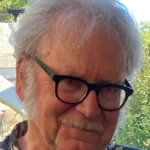
Richard Jergenson
Bio
I live in the Emerald Triangle in our beloved community of Willits.
I am a product of Berkeley, the baby boomer generation, and the 1960’s counterculture, as well as a co-founder of the Protopipe business, over 50 years ago. I am a natural archivist; as a young historian from the 1960’s I began saving and storing the amazing posters, books and cultural icons of the times, which continues to be a life-long passion. The Counterculture Museum and Archive is now a treasure trove of the rich cultural era of the 1960’s, 70’s and 80’s, and still growing as my generation is letting go of treasured memorabilia.
My archived history collection has exhibited at multiple Emerald Cups, Cannafest in Eureka, created the Emerald City Popup Museum in 2020 & 2021and was curated at the “Cannabis in Mendocino County: our Story” exhibit with panel discussions in 2023. (Mendocino County Museum) I am a member of the California Cannabis Historical Society, and the Counterculture History Coalition. We are working together to create museum locations for important Counterculture stories and our archive collections. I continue to add to the Counterculture & Cannabis Archive. It includes the 100-year prohibition history as well as artifacts from the Back to the Land movement here in Northern California – the Emerald Triangle and beyond.
The time is at hand to share the incredible history of Cannabis and its meaningful contribution to the CounterCulture as the back to the land culture is rapidly disappearing due to post cannabis legalization growing laws and boomers ageing out. I look forward to sharing Canna-history knowledge with all of you.
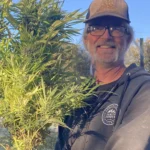
Adrien Keys
Bio
The adventure began over 40 years ago in Southern Oregon when this young man’s love of growing things crossed paths with some cannabis seeds. I knew right then I had to grow them.
Growing cannabis in secret plots was not uncommon amongst my friends’ parents and my parents’ friends, so I knew more or less what I had to do.
Throughout the remainder of my schooling in Ashland I managed to pull off clandestine crops hidden in blackberry bushes by our little creek out in the country, behind a wall of poison oak on the rangeland near my house, and along the irrigation ditch a bike ride away from home.
Starting around 1984, a number of families relocated from the famed Emerald Triangle to the relative safety of Ashland so their kids could go to school without fear of CAMP raiding their homesteads.
This, along with a love of reading and history, opened my eyes to the expanse of the cannabis world and ignited a fascination with genetics. Years later, after landing in Oakland, Ca in 1993, growing indoor became the modus operandi, and then around 2002 with Prop. 215 firmly in effect, a desire to get back to the land (again) brought me to Trinity County and I finally got my place in the Triangle.
Prop. 64 brought me into the advocacy space as Trinity County contemplated an outright ban on any cannabis cultivation, an act which would have removed a leg from the Triangle. Now after a decade of local advocacy and somehow (so far) surviving the implementation of 64, my engagement has expanded to advocating for sustainable agriculture, rural economic development and to bring the diverse and hard won legacy of the cannabis movement into the newly commercialized industry.
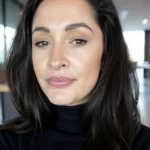
Lindsey Renner
Bio
Lindsey is a third-generation cultivator, legacy genetics steward, and nationally recognized cannabis entrepreneur with nearly two decades of experience in California’s regulated and medical markets. Rooted in the Emerald Triangle, she has dedicated her career to preserving and protecting heirloom cultivars, including rare legacy lines such as the 1999 Sour Diesel, while advancing standards for quality, compliance, and sustainability in the modern cannabis industry.
An enrolled member of the Round Valley Indian Tribes, Lindsey works at the intersection of cannabis, sovereignty, and economic development. She has supported multiple Tribal Nations in designing sovereign cannabis frameworks, regulatory structures, and cannabis enterprises, ensuring that Indigenous communities have pathways to participate in the industry on their own terms. Her work emphasizes education, long-term ecosystem building, and protection of cultural and plant heritage.
Lindsey is the founder of Native Humboldt and served as an instructor at Cookies University, where she educated operators and entrepreneurs on cultivation excellence and operational strategy from 2021- 2025. Since 2021, she has served as a Cannabis Ambassador for the California State Fair, helping shape public education around regulated cannabis and responsible production.
Her cultivation philosophy is grounded in regenerative and Indigenous farming practices, with a deep respect for the relationship between land, plant, and community. Lindsey approaches cannabis not simply as a commodity, but as a living organism intertwined with culture, stewardship, and ecological balance. Through legacy preservation, regenerative methods, and cross-cultural collaboration, she continues to advocate for the protection of cannabis genetics as both agricultural heritage and community legacy.
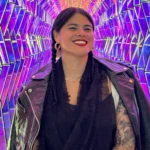
Nina Parks
Bio
Nina is an artist, entrepreneur, and advocate. Raised in San Francisco, she has spent her career examining how policy, culture, and capital shape everyday life. She co-founded The Equity Trade Network & Supernova Women, organizations that have influenced national cannabis reform, advocating for equity-centered implementation and sustainable industry design.
With a background in grassroots organizing and creative production. She translates systems into stories and stories into strategy—bridging historical context with forward-looking imagination. Her voice is informed by lived experience as a mixed woman navigating layered identities in a changing world. Through speaking and writing, she invites audiences to question inherited power structures and to imagine futures built on justice, reciprocity, and collective stewardship.
Wade Olsen
Bio
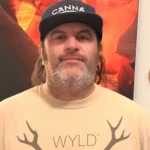
Born and raised in San Diego, Wade represents the intersection of deep-rooted California cannabis culture and rigorous scientific study. With a passion for the plant spanning over three decades, Wade’s journey is defined by his commitment to the community, advocacy, and the preservation of rare genetics.
Wade’s technical expertise is grounded in sustainability and biological health. He holds certifications from the Environment Celebration Institute under Dr. Elaine Ingham, Chris Trump’s Korean Natural Farming, and the UC Davis Hemp Seed Breeding course. Currently working toward becoming a Certified Ganjier, Wade applies this diverse knowledge to master the complexities of cannabis genetics, traditional processing, and modern concentrates.
His experience is “boots-on-the-ground,” having worked farms and gardens across the West Coast to study how the plant interacts with varying microclimates. This lifelong dedication was often met with systemic adversity; Wade was arrested for cannabis in 1996 and faced cultivation charges in 2005 and 2022. Having spent his youth navigating juvenile probation and recovery, he views the plant not just as a commodity, but as vital medicine that has helped him manage a personal heart condition for 30 years.
Now an approved social equity applicant in Los Angeles, San Diego, and Vista, Wade is transitioning his legacy into a licensed future. As a member of the California Rare Fruit Growers, he envisions a similar regional chapter model for “California Rare Cannabis Growers.” His ultimate mission is the creation of a farmer-owned cooperative—a model designed to provide small-scale cultivators and equity brands with the shared space and vertical integration necessary to thrive in a corporate landscape. Wade remains a steadfast advocate for medical patients, caregivers, and the home growers who serve as the true guardians of the plant’s genetic heritage.
Salvador Robles
Bio
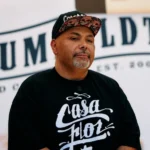
Sal is the grandson of Mexican immigrants who practiced healing with the cannabis plant and medicinal herbs. With this foundation he began his journey in cannabis through a deep commitment to preserving heirloom and legacy genetics. Early in his career, he focused on maintaining and stabilizing diverse strain lines, building a foundation rooted in traditional cultivation and breeding techniques.
As the industry evolved, Sal was innovative, developing structured breeding programs that consisted of 3 main categories, flower, solventless, and BHO extraction. Sal studied terpene profiles, extraction yields, genetic markers and strain performance, helping bridge legacy cultivation with modern scientific methods. Sal participates in genetic research, initiatives, collaborates with respected breeders, and scientists. Over the years, his breeding programs has produced multiple award winning strains, earned recognition in state, national, and international competitions, as well as appreciated by everyday enthusiasts.
Sal has also bred one of the only naturally occurring Tetraploids in the world.
Sal has also studied the relationship between microbiology and the plant. He has developed custom organic soil mixes and amendments that are used by Casa Flor to this day in cultivation and consulting.
As legalization reshaped the industry, Sal expanded his focus into retail and brand development. He built direct relationships with dispensaries, developed packaging, launched new SKUs, and structured pricing models aligned with sustainable margins. He supported sales teams, brand ambassadors, and educational outreach programs, ensuring products were not only cultivated with excellence but positioned effectively in the marketplace.
Recognizing the power of storytelling, Sal integrated media and cultural narrative into his work. He produced video and photography content, crafted brand messaging, and incorporated Mexican cultural themes into multi-platform campaigns. Through interviews, magazine features, and digital engagement, he helped grow audience reach and strengthened the Casa Flor brand identity.
Today, Sal Robles stands as a rare combination of legacy geneticist, modern breeder, retail strategist, and cultural storyteller—continuing to shape cannabis through innovation grounded in heritage and authenticity. 🇲🇽
Trevor Wittke
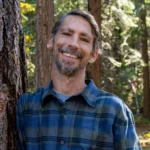
Bio
Trevor is a second generation cannabis cultivator and activist. He grew up in and around the medical cannabis and environmental movements. Trevor has dedicated his life to learning about and working with the cannabis plant and its people. Over the years he has helped shape public policy, authored numerous articles, and participated in popular education outreach.